
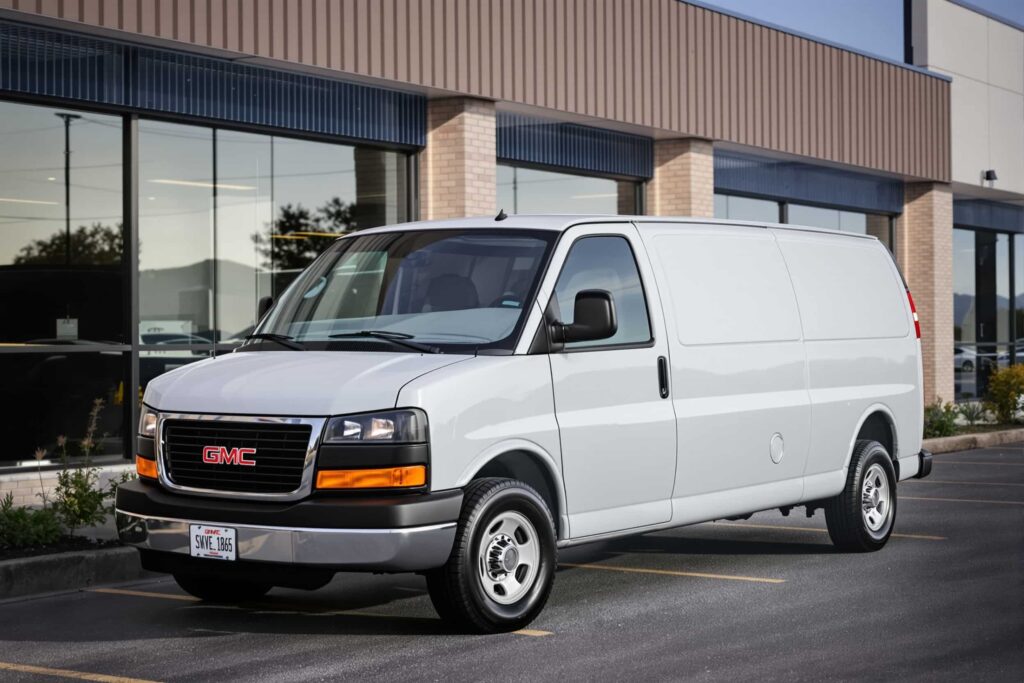
Fleet operators rely on the GMC Savana for daily work. Choosing the right OEM replacement parts helps reduce downtime and control long-term maintenance costs. When your vans are off the road, your business loses money. Every missed delivery, delayed service call, and rescheduled appointment chips away at your bottom line and frustrates your customers.
Managing a commercial fleet requires a proactive approach to vehicle maintenance. The GMC Savana is known for its rugged durability and massive cargo capacity. However, even the most reliable workhorses experience wear and tear. Constant stop-and-go driving, heavy payloads, and extended idling take a toll on engine components, suspension systems, and brakes.
To maximize the lifespan of your vehicles, you need a solid parts strategy. Sourcing the right components ensures your vans perform safely and efficiently day in and day out. This guide explores how to prioritize the best replacement parts, streamline your maintenance operations, and keep your business moving forward.
The Importance of OEM Parts for Fleet Maintenance
When a van breaks down, the temptation to buy the cheapest available replacement part is strong. Aftermarket components often boast a lower upfront price tag. Yet, Original Equipment Manufacturer (OEM) parts provide distinct advantages for fleet management.
OEM parts are engineered by the same company that built your GMC Savana. They offer an exact fit, eliminating the need for modifications during installation. Mechanics spend less time wrestling with mismatched components and more time getting the vehicle back into service.
Reliability is another major factor. OEM components undergo rigorous testing to meet strict performance standards. You know exactly what quality you are getting. Many aftermarket parts use inferior materials that wear out faster, leading to repeated failures. Furthermore, OEM parts typically come with a manufacturer warranty. This provides an extra layer of financial protection for your business if a component fails prematurely.
Essential Replacement Parts for GMC Savana
Certain systems on your Savana require more frequent attention than others. Stocking up on these high-wear items can drastically speed up your repair processes.
Brake System Components
Commercial vans carry heavy tools, equipment, and cargo. This added weight puts immense pressure on the braking system. Brake pads and rotors wear down quickly under commercial use. Inspect them regularly and replace them with heavy-duty OEM equivalents to ensure your drivers can stop safely.
Filters and Fluids
Engines need clean air and oil to function properly. Oil filters, engine air filters, and cabin air filters should be replaced according to a strict schedule. Neglecting these basic maintenance items forces the engine to work harder, decreasing fuel efficiency and accelerating internal wear.
Suspension and Steering
Potholes, uneven construction sites, and heavy loads punish the Savana’s suspension. Pay close attention to shock absorbers, ball joints, and tie rod ends. Worn suspension parts cause uneven tire wear and compromise vehicle handling, creating safety hazards for your team.
Ignition and Electrical
A reliable start is crucial for a productive workday. Spark plugs, ignition coils, and batteries degrade over time. Replace batteries before the cold weather sets in, and follow the manufacturer’s recommended intervals for spark plug replacement to maintain optimal engine performance.
Strategies for Reducing Downtime
Having the right parts is only half the battle. Implementing smart maintenance strategies keeps your vehicles out of the shop and on the road.
First, establish a strict preventative maintenance schedule. Do not wait for a part to break before replacing it. Track mileage and engine hours for every van in your fleet. Schedule routine inspections to catch minor issues before they snowball into major mechanical failures.
Second, maintain a localized inventory of common parts. If you operate a large fleet, keeping a supply of frequently used items like oil filters, brake pads, and wiper blades saves valuable time. You eliminate the delay of ordering parts and waiting for delivery.
Finally, listen to your drivers. They spend hours behind the wheel every day. They will notice a spongy brake pedal, a strange engine noise, or a slight vibration long before a mechanic looks at the van. Create a simple reporting system so drivers can easily log potential vehicle issues at the end of their shifts.
Controlling Long-Term Maintenance Costs
Budgeting for fleet repairs requires looking beyond the initial purchase price of a part. Total Cost of Ownership (TCO) is the metric that truly matters.
Spending a little more on an OEM part often saves money over the vehicle’s lifespan. A cheap aftermarket alternator might save you fifty dollars today, but if it fails in six months, you pay for the replacement part, the mechanic’s labor, and the lost revenue from a downed vehicle all over again.
Investing in mechanic training also controls costs. Ensure your maintenance team understands the specific quirks and requirements of the GMC Savana. A knowledgeable technician diagnoses problems faster and repairs them correctly the first time. If you outsource your repairs, build a strong relationship with a reputable shop that specializes in commercial fleet vehicles and uses high-quality components.
Keep Your Fleet Moving Forward
A well-maintained GMC Savana is a powerful asset for any business. By prioritizing high-quality OEM parts and implementing proactive maintenance schedules, you protect your investment and ensure your team can do their jobs safely. Take time this week to review your current inventory and maintenance logs. Identify the components that cause the most frequent headaches and adjust your purchasing strategy accordingly.