
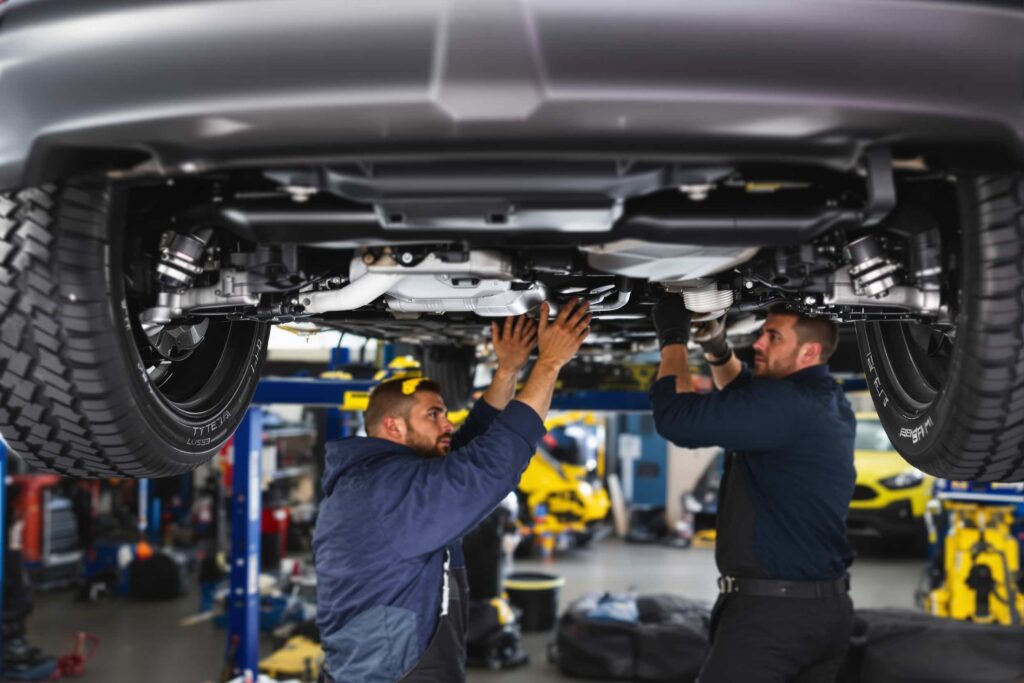
The GMC Terrain is a reliable compact SUV, but like all vehicles it has some common wear items. Here are the parts most frequently replaced.
Owning a vehicle means dealing with routine maintenance and occasional unexpected fixes. Knowing exactly what to expect can save you significant time, money, and frustration. If you drive a GMC Terrain, staying ahead of potential repairs helps you keep it on the road longer and maintain its resale value.
This guide highlights the most frequent repairs and parts replacements for this popular SUV, giving you the knowledge needed to manage your vehicle’s health proactively.
Engine-Related Repairs
The heart of your GMC Terrain is its engine. While generally dependable, certain model years have experienced specific engine-related challenges that require attention.
Excessive Oil Consumption
Some older models, particularly those with the 2.4-liter four-cylinder engine, are known for consuming oil at a higher rate than expected. Owners often find themselves needing to top off the oil between standard oil changes. Regularly checking your dipstick and replacing worn piston rings can help mitigate this problem and prevent severe internal engine damage.
Timing Chain Issues
The timing chain keeps the internal components of your engine moving in perfect sync. In some GMC Terrains, the timing chain can stretch or wear out prematurely. If you hear a rattling noise coming from the engine bay upon startup, or if your check engine light illuminates with camshaft position codes, you likely need a timing chain replacement. Addressing this promptly is crucial to avoid catastrophic engine failure.
Transmission and Drivetrain Issues
A smooth ride relies heavily on a healthy transmission and drivetrain.
Transmission Shifting Delays
Drivers occasionally report rough shifting, slipping, or hesitation when accelerating. These symptoms often point to transmission fluid degradation, failing solenoids, or software issues. A simple transmission fluid flush and software update can resolve minor problems, though ignored symptoms might eventually require a complete transmission rebuild or replacement.
Transfer Case Maintenance
For all-wheel-drive (AWD) models, the transfer case is a critical component that distributes power to the front and rear axles. The fluid inside the transfer case breaks down over time. Replacing the transfer case fluid at the manufacturer’s recommended intervals prevents internal gear wear and keeps your AWD system functioning flawlessly.
Suspension and Brake Component Replacements
Safety and comfort dictate that your suspension and braking systems must always be in top condition.
Brake Pads and Rotors
Because the GMC Terrain is a relatively heavy vehicle, its brake pads and rotors endure significant stress. Squeaking or grinding noises indicate that the brake pads have worn thin. If the steering wheel vibrates when you apply the brakes, the rotors are likely warped and will need to be resurfaced or replaced entirely.
Struts and Shocks
Over time, the struts and shocks absorb thousands of impacts from potholes and uneven roads. When these components wear out, you will notice a bumpier ride, excessive bouncing after hitting a dip, and uneven tire wear. Replacing the front struts and rear shocks restores the vehicle’s original handling and ride comfort.
Electrical and Sensor Failures
Modern vehicles rely on a complex network of sensors and electronics, and the Terrain is no exception.
Oxygen (O2) Sensors
The check engine light is frequently triggered by a faulty oxygen sensor. These sensors monitor the amount of unburned oxygen in the exhaust, helping the engine computer adjust the air-fuel mixture. A bad O2 sensor will cause a noticeable drop in fuel economy and can eventually damage your catalytic converter. Replacing it is a straightforward and relatively inexpensive fix.
Infotainment System Glitches
Some drivers report issues with the center console touchscreen freezing, going blank, or failing to connect to Bluetooth devices. Often, a hard reset or a software update from the dealership resolves these glitches. In rare cases, the entire head unit may require replacement.
Routine Wear Items
Beyond major systems, several everyday parts require regular replacement simply due to normal use.
Tires and Wipers
Depending on your driving habits and local climate, tires generally last between 40,000 and 60,000 miles. Regular tire rotations help them wear evenly. Windshield wipers degrade from sun exposure and use, requiring replacement every six to twelve months to maintain clear visibility during rainstorms.
Battery Replacement
A standard car battery typically lasts three to five years. Extreme heat or cold can shorten this lifespan. If your Terrain is slow to crank or the interior lights dim when you start the engine, it is time to install a new battery.
Keeping Your GMC Terrain on the Road
Maintaining your vehicle does not have to be a stressful experience. By understanding the most common GMC Terrain repairs and parts replacements, you can budget accordingly and schedule maintenance before small problems turn into major breakdowns. Always consult your owner’s manual for specific service intervals, and build a relationship with a trusted mechanic who knows the intricacies of your specific vehicle.