
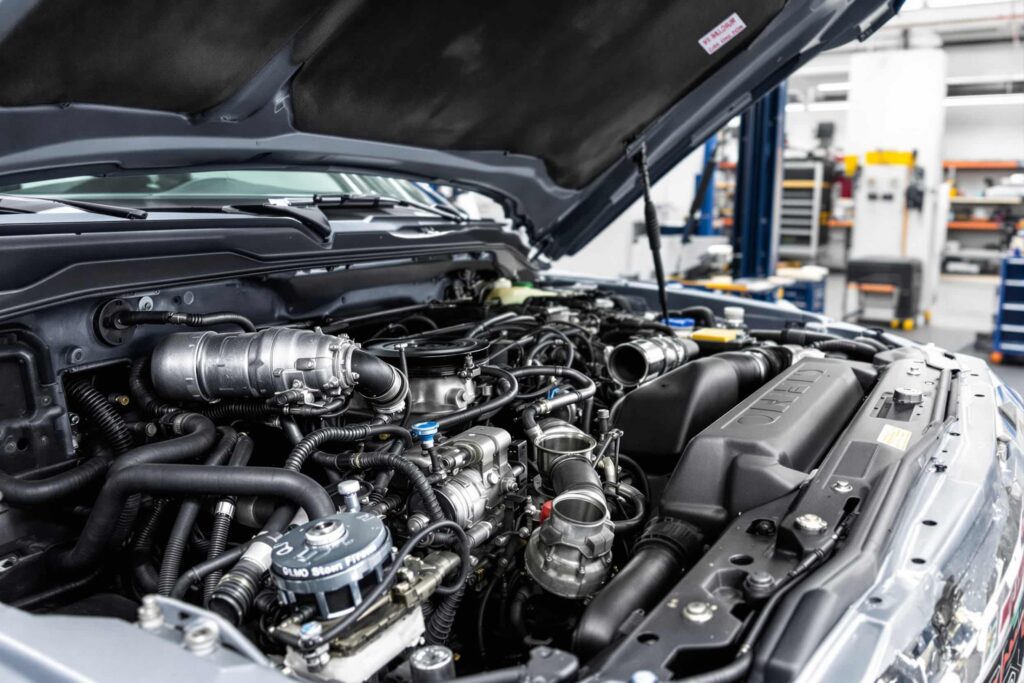
When it comes to replacing parts on your GMC vehicle, the choice between OEM and aftermarket can significantly impact performance and longevity. Every vehicle owner eventually faces the need for repairs or maintenance. You might hear recommendations from mechanics, read conflicting advice on automotive forums, or see vast price differences when shopping online. Deciding which route to take requires a solid understanding of what these categories mean and how they affect your truck or SUV.
Keeping a GMC Sierra, Yukon, or Acadia running smoothly involves regular upkeep. The components you install during these maintenance sessions play a major role in how the vehicle handles the road ahead. Exploring the differences between original factory parts and third-party alternatives will help you make an informed decision that protects your investment and ensures your safety.
Understanding OEM Parts
OEM stands for Original Equipment Manufacturer. These parts are built by the same company that produced the components originally installed in your GMC on the assembly line. Because General Motors oversees their production, OEM parts are designed to exact factory specifications. They are identical to the parts you are replacing.
Choosing OEM components takes the guesswork out of the shopping process. You do not have to spend hours comparing different brands or reading customer reviews to figure out if a part will fit correctly. You simply go to a dealership or an authorized distributor, provide your Vehicle Identification Number (VIN), and receive the exact match for your specific model and year. This streamlined process provides peace of mind, knowing the replacement will function exactly as the manufacturer intended.
Understanding Aftermarket Parts
Aftermarket parts are manufactured by third-party companies rather than the original automaker. These companies design components to function as replacements for factory parts, and they often produce them for a wide variety of vehicle makes and models. The aftermarket industry is massive, offering everything from basic oil filters and brake pads to complex exhaust systems and suspension kits.
Because dozens of different companies might make an aftermarket water pump for a GMC Sierra, you will encounter a wide spectrum of quality. Some aftermarket manufacturers focus purely on producing the cheapest possible replacement. Others engineer high-performance components designed to exceed factory standards, catering to off-road enthusiasts or those looking to boost their towing capacity. Navigating the aftermarket requires careful research to ensure you purchase from a reputable brand that uses durable materials.
Performance and Quality Comparison
Quality consistency is the biggest differentiator between the two options. OEM parts offer a guaranteed baseline of quality. GM engineers spent countless hours designing and testing these components to ensure they work seamlessly within the vehicle’s broader mechanical ecosystem. The materials used, the tolerances allowed, and the rigorous testing procedures all contribute to a highly reliable product.
Aftermarket parts offer a more mixed experience. On the lower end of the price spectrum, third-party parts might use inferior metals or plastics to cut production costs. These cheaper materials can lead to premature wear, poor fitment, or even failure under heavy stress. You might find yourself modifying a cheap aftermarket part just to get it to bolt onto your vehicle correctly.
However, the aftermarket also features premium tiers. Companies specializing in heavy-duty towing, off-roading, or engine tuning often produce parts that are vastly superior to factory originals. For example, an aftermarket heavy-duty radiator or upgraded suspension kit might offer significantly better performance for a GMC truck used primarily for hauling heavy loads. If you have specific performance goals, the aftermarket often provides the necessary upgrades that OEM catalogs lack.
Cost and Value Considerations
Pricing is often the primary reason vehicle owners look outside the dealership for replacement parts. OEM parts typically carry a higher price tag. You are paying for the brand name, the guaranteed fitment, and the research and development that went into the vehicle’s original design. Dealerships also have higher overhead costs, which translates to a markup on the parts they sell over the counter.
Aftermarket parts are generally more affordable. The intense competition among third-party manufacturers drives prices down. Because these companies reverse-engineer the parts rather than designing them from scratch, they save on development costs and pass some of those savings on to the consumer.
When evaluating value, you must consider the long-term picture. A cheap aftermarket alternator might save you a hundred dollars today, but if it fails in a year and leaves you stranded, the initial savings evaporate. Paying the premium for an OEM component often results in better long-term value due to its reliability and lifespan. Conversely, buying a highly rated, mid-tier aftermarket part can represent an excellent balance of cost savings and dependable quality.
Impact on Warranty and Longevity
Protecting your vehicle’s warranty is a critical factor for owners of newer GMC models. Most OEM parts come with a manufacturer-backed warranty, often lasting one year or more, providing replacement coverage if the part fails prematurely. Furthermore, installing OEM components guarantees that you will not inadvertently void your vehicle’s overarching powertrain or bumper-to-bumper warranty.
Using aftermarket parts will not automatically void your entire vehicle warranty. Under the Magnuson-Moss Warranty Act, a dealership cannot deny a warranty claim simply because you used an aftermarket component. However, if the automaker can prove that the aftermarket part directly caused the failure of another covered component, they can legally deny the repair claim. For instance, if a poorly manufactured aftermarket oil filter causes catastrophic engine damage, your warranty will likely not cover the engine replacement.
Longevity ties closely to this warranty aspect. OEM parts are built to last for a specific lifecycle designated by GM engineers. Sticking to OEM ensures your GMC ages gracefully, maintaining the driving dynamics and reliability you expect. While high-quality aftermarket parts can match or beat this longevity, the risk of installing a subpar component always exists if you do not research the brand thoroughly.
Making the Right Choice for Your GMC
Selecting the right replacement components ultimately comes down to your budget, your vehicle’s age, and how you use it. If you drive a newer GMC that is still under warranty, or if you simply want a hassle-free repair process, OEM parts are the safest and most reliable choice. The guaranteed fitment and factory backing take the stress out of vehicle maintenance.
If you are maintaining an older vehicle on a strict budget, the aftermarket offers cost-effective solutions that keep you on the road. Likewise, if you want to customize your truck for severe off-road duty or heavy towing, premium aftermarket manufacturers provide the specialized gear you need to achieve those goals. Take the time to read reviews, consult with trusted mechanics, and weigh the upfront costs against long-term reliability. By understanding the true differences between these parts, you can keep your GMC running strong for years to come.